Flying Heart Tattoo: Unleash Bold, Edgy Typography
When a standard serif font or a clean sans serif font just won’t cut it, you need a typeface that brings its own energy to the page. Enter Flying Heart Tattoo. This isn’t just another collection of glyphs; it is a statement piece. Designed to capture the rebellious yet artistic spirit of classic body art, this typeface acts as a bridge between traditional ink culture and modern digital design. If you are looking to inject personality, emotion, and a touch of grit into your next project, understanding how to wield this unique display font is essential.
The Visual Anatomy of a Rebel Font
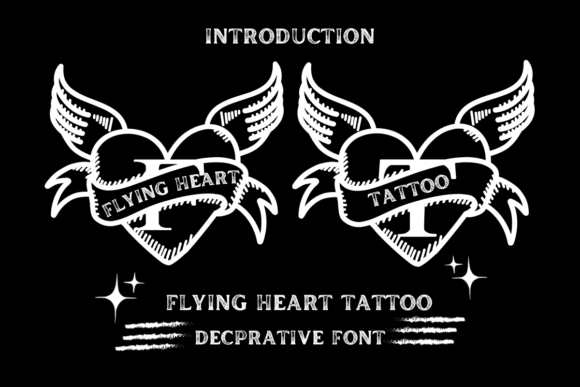
At its core, Flying Heart Tattoo draws heavy inspiration from the visual language of American traditional tattooing. You will immediately notice the high-contrast strokes—thick where the pressure is applied and tapering to sharp, precise points. This isn't a typical script font; it possesses a structured elegance that feels more like a logo design than a standard typeface.
The letterforms often feature slight flourishes and tails that mimic the flow of ink on skin. It balances on the edge of being a handwritten font while maintaining enough legibility to function as a header or title. The personality of Flying Heart Tattoo is undeniably bold. It conveys confidence, nostalgia, and a bit of danger. Unlike the neutral tones of a corporate sans serif font, this typeface demands attention. It creates an immediate atmosphere, evoking the feeling of a vintage biker shop, a rock-and-roll album cover, or an artisanal barbershop.
Strategic Applications: Where to Deploy This Typeface
Knowing what a font looks like is one thing; knowing where it works is the real challenge. As a premium font, Flying Heart Tattoo is a specialized tool. It is not designed for body text in an annual report, but it shines in specific scenarios where brand identity and emotional resonance are the priorities.
Branding and Logo Design
For entrepreneurs in niche markets—think craft breweries, motorcycle apparel, vintage clothing lines, or specialty coffee roasters—this font is gold. Using Flying Heart Tattoo for your primary wordmark can instantly position your brand as authentic and counter-culture. It works exceptionally well for logo design because the letters have a built-in decorative quality that reduces the need for additional graphic elements.
Editorial and Packaging Design
In packaging design, shelf appeal is everything. If you are creating labels for a hot sauce, a whiskey bottle, or a vinyl record sleeve, this font adds a tactile quality that standard typefaces lack. Similarly, in editorial design, you can use it for drop caps or pull quotes in magazines to break up the monotony of standard serif fonts, adding a visual rhythm that keeps readers engaged.
Digital Presence and Social Media
On platforms like Instagram or Pinterest, standing out is difficult. Flying Heart Tattoo works beautifully for social media graphics, particularly for announcements, event posters, or merchandise drops. In web design, it should be used sparingly—perhaps for the main hero headline or a specific call-to-action button—but it can define the entire aesthetic of a landing page when used correctly.
Mastering Hierarchy and Readability
The most common mistake with decorative typefaces is overuse. Because Flying Heart Tattoo has such a strong personality, it can overwhelm a layout if applied to every paragraph. Instead, use it to establish a clear visual hierarchy. Let the font handle the "shout"—the main headline—while pairing it with a highly readable body font.
For example, contrast the ornate curves of Flying Heart Tattoo with the clean lines of a geometric sans serif font like Montserrat or a traditional serif font like Garamond for the subheadings and body copy. This contrast ensures that your brand perception remains professional. The viewer gets the vibe (edgy, creative) without straining their eyes to read the fine print. Consistency in this approach builds recognition; your audience will start to associate that specific typographic style with your content before they even read the words.
Practical Integration: From Concept to Commercial Use
Integrating a new design asset into your workflow requires a bit of forethought. Here is a practical guide to getting the most out of Flying Heart Tattoo without running into technical or legal roadblocks.
- Evaluate the Fit: Before purchasing or downloading, mock up your existing designs with the font. Does the x-height clash with your imagery? Does the style clash with your brand voice? If your brand is "clinical and sterile," this font is likely a mismatch. If it is "handcrafted and human," you are on the right track.
- Check the Glyphs: A high-quality creative font often comes with alternates, ligatures, or swashes. Look at the character map. Flying Heart Tattoo may offer different versions of the letter 'a' or 'g' that allow you to customize the look further, preventing the text from looking repetitive.
- Licensing Matters: Always verify the license. If you are a small business owner selling merchandise (t-shirts, mugs), you typically need a commercial license that covers physical goods. Ensure the license covers your specific usage rights to avoid legal headaches later.
- Test for Scalability: Zoom out. Does the font lose its detail when small? Because it relies on high-contrast strokes, it may clog up at very small sizes. Use it for large headers where the modern typography details can breathe.
Ultimately, Flying Heart Tattoo is more than just a font; it is a stylistic shortcut. It allows designers, bloggers, and business owners to tap into a rich visual history of tattoo artistry without needing a graphic designer to draw every letter by hand. By respecting its personality and pairing it wisely, you can transform a standard layout into something truly memorable. Add it to your toolkit, and you will find that it bridges the gap between the rough edges of street art and the polished requirements of digital publishing.